





News

We are a community of professionals and advocates dedicated to ensuring Romani children have access to quality early childhood development and inclusive education.
Knowledge Hub
Did you know that only half of Romani children go to kindergarten?
Systematic barriers often prevent Romani children from accessing the foundational support they need. REYN (Romani Early Years Network) bridges this gap by empowering the workforce, influencing policy, and putting the rights of the child at the center of the European agenda.
As a leading Europe-wide advocacy network, REYN ensures equitable access to quality Early Childhood Development by professionalizing the workforce, increasing Romani representation, and bridging the gap between policy and practice to unlock every child's potential.

Systematic barriers often prevent Romani children from accessing the foundational support they need. REYN (Romani Early Years Network) bridges this gap by empowering the workforce, influencing policy, and putting the rights of the child at the center of the European agenda.
Belgium
Learn moreAround 30 000 nationals of different EU and non-EU member states who are living in Belgium (0.29% of the total population) are Roma. Most Roma live in the Flanders region and the Brussels Capital region. The cities of Brussels, Antwerp, Ghent and Sint-Niklaas have a substantial Roma population.
Established: October 2017 (Launch event March 2018)
Name of the hosting organization: Caritas Vlaanderes
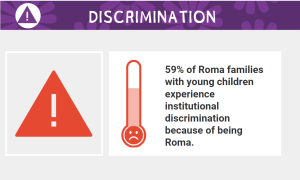
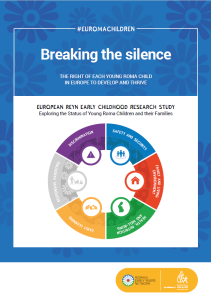
The European REYN Early Childhood Research Study (the REYN Study) provides an examination of the status of young Roma children and their families across Europe. It offers a comprehensive understanding of the multi-layered and intersectional nature of the challenges faced by young Roma children and their families. The REYN Study presents key findings from a thorough analysis of data on key areas of the lives of young Roma children and their families. These areas include family status and living conditions, health and well-being, safety and security, early learning, responsive parenting, and discrimination. For more information, visit this page.
Explore key tools, research, and policy resources supporting inclusive early childhood development for Roma and Traveller children across Europe, and advancing equity in early years education.
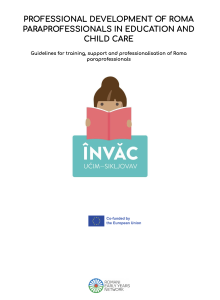
This interactive tool supports Roma paraprofessionals and other educational assistants in evaluating their competencies across the domains outlined in the guidelines. It enables them to: Reflect on their strengths and…
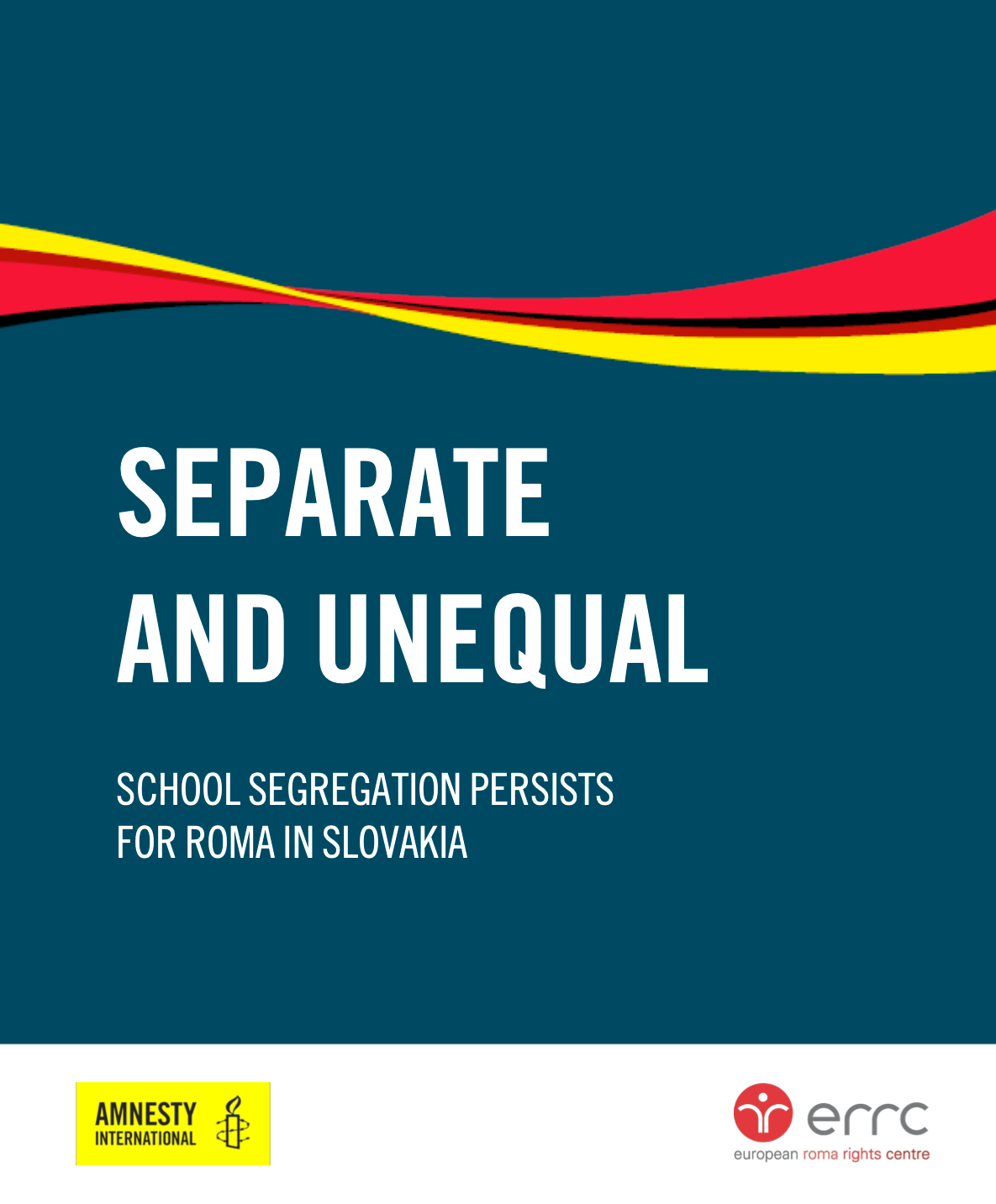
Learn moreIn general, the situation of Roma children, pupils and students remains challenging across Europe. This report aims to examine the current situation of the enforcement of non-discrimination law in Europe with regard…
Learn moreRoma children belong to a social group exposed to multiple axes of discrimination. Roma paraprofessionals, together with other trained professionals and educational leaders, are crucial for achieving the success of…
Learn moreThe right to education of minorities: overview of States’ measures reported in the 10th Consultation on the 1960 Convention and Recommendation against Discrimination in Education Diversity in education should be seen as…
Learn moreThe European REYN Early Childhood Research Study (the REYN Study) provides an examination of the status of young Roma children and their families across Europe. It offers a comprehensive understanding of the…
Learn moreYoung Roma children have an equal right to thrive. The fulfilment of this right calls for urgent and comprehensive measures and coordinated public investment. However, there is general concern about how effective Roma…
Learn moreRecognizing the importance of the child’s first language in learning processes and settings, and especially for children from vulnerable groups like the Roma, REYN Croatia has created this visual dictionary to support…
Learn moreAn increasing number of children are growing up in environments in which more than one language is spoken. For many of these children, early childhood education and care (ECEC) is often their first contact with the…
Learn more